
Continuing Professional Development
List relevant learning activities in the CPD format EA requests. Use accurate dates and topics, including formal training, workplace learning or other relevant development.
Engineering Associate CDR
Preparing a Competency Demonstration Report for the Engineering Associate category? We help you plan your evidence and review your own Career Episodes, Summary Statement and CPD record against Engineers Australia's category-specific instructions.
Need quick help? Speak with our team at +61 480037139.
Disclaimer: You must write your Career Episodes and Summary Statement from your own experience. We provide planning, editing and review; Engineers Australia decides the pathway and assessment outcome.
Associate CDR Support
Share your qualification, nominated occupation, relevant technical work and current draft stage. We will identify what support your documents need.
3
Career Episodes for a CDR application
16
Entry-to-practice competency elements to address
1
Engineering Associate Summary Statement template
The pathway, explained
A Competency Demonstration Report (CDR) is the evidence Engineers Australia uses for certain migration skills assessments when an applicant cannot use an accredited qualification pathway. Engineering Associate is a distinct EA occupational category. Your CDR must make your own applied technical work clear: what you were asked to do, which established methods or specifications you used, what you checked and what the result showed.
Not every Engineering Associate applicant needs a CDR. An accredited qualification may qualify for an Australian qualification or Dublin Accord pathway, depending on the program and study period. EA also lists CDR cases, including non-accredited or provisionally accredited qualifications and applications for a different occupation from the accredited title. Check EA's current pathway guidance before starting. An associate degree or advanced diploma title alone does not establish the correct pathway.
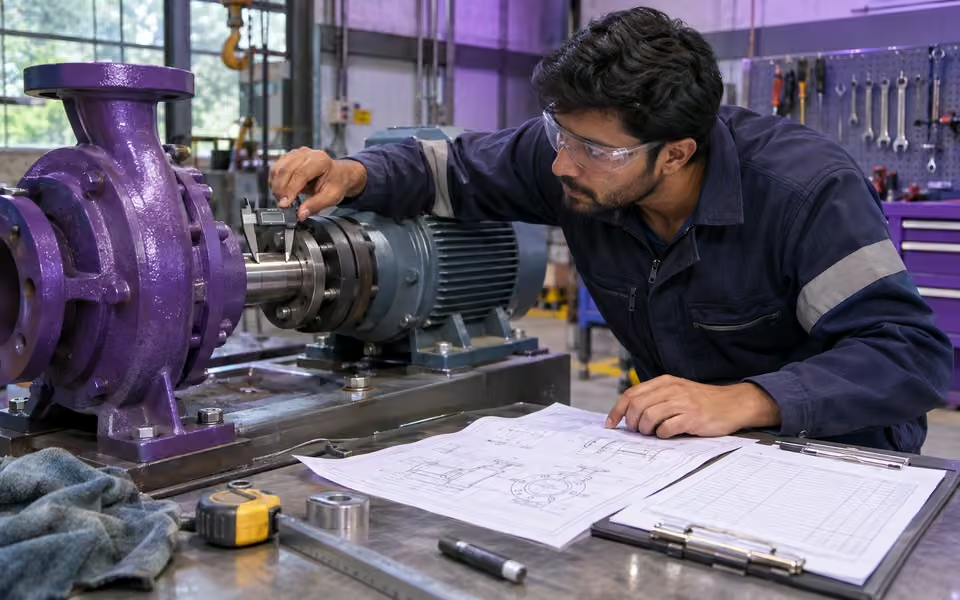
The current EA application preparation guide sets out the CDR documents and supporting evidence. Confirm the portal requirements for your case before submitting.
List relevant learning activities in the CPD format EA requests. Use accurate dates and topics, including formal training, workplace learning or other relevant development.
Write three first-person accounts of real engineering activities. Explain your individual task, methods, checks, decisions and outcomes, rather than restating a team project description.
Use EA's Associate-specific template to point each competency element to numbered paragraphs in your episodes.
Provide a consistent CV, award and academic records, plus identity documents as required. Qualification names and dates should match your application.
Supply English evidence unless you meet an EA exemption. For an employment-based Career Episode, EA requires an employer reference letter.
Share a short outline of your work and nominated category. We can identify evidence gaps before you develop the full draft.
Who this support suits
This service helps applicants organise authentic evidence for the Associate category and improve documents they have written themselves.
Confirm whether your specific program and study period fit an accredited pathway or whether EA directs you to the CDR route.
Turn a genuine installation, inspection, drafting, testing or maintenance task into a clear account of your own contribution and results.
Choose substantial individual project work where you can explain the technical process, your calculations or checks and what you learned.
Separate the work you performed from supervisor approvals, engineer designs and tasks completed by other team members.
Use EA feedback to address weak evidence, wrong templates or inaccurate paragraph references without changing the underlying facts.
We focus on the Associate category and the evidence an assessor needs to follow across your document set.
Review your qualification and proposed occupation against EA's published route information before you invest time in CDR writing.
Compare real tasks for enough personal technical activity, records, checks and outcomes to support a useful Career Episode.
Comment on first-person authorship, task context, technical sequence, standards or procedures used and the clarity of results.
Check that you used the Associate template and that each cited paragraph actually demonstrates the element beside it.
Review the CPD list and consistency across episode dates, CV, qualification documents and employment references where relevant.
Identify repeated claims, unsupported conclusions, unclear language and missing links so you can make your own corrections.
You remain the author of every Career Episode and the Summary Statement. Our role is to guide and review your applicant-written material.
Tell us your qualification, accreditation information, study dates and nominated occupation. Check EA's current rules before treating the CDR as required.
List tasks that show different aspects of your technical work. Gather drawings, checklists, measurements, test sheets or project records you are allowed to use.
Describe what you personally did and why: the method, specifications, observations, action taken and result. Number the paragraphs for later mapping.
Fill in the Engineering Associate Summary Statement with references to your own episodes. We review whether the links and evidence make sense.
Resolve the comments against your real records, check CPD and supporting documents, then confirm the latest instructions in EA's application portal.
Good technical experience can be hard to assess when the episode skips the steps that show what the applicant actually did.
The draft lists routine duties but never follows a specific task from problem or instruction through checks and outcome.
It says a system was installed or tested without identifying your measurements, decisions, records or technical actions.
It mentions standards, safety requirements or drawings without showing how you used them in that particular activity.
Claims of compliance or improvement have no readings, inspection findings, calculations, observations or documented comparison.
A Technologist or Professional Engineer template is used, or the Associate element references point to background paragraphs.
Dates, roles or project details conflict with the CV or employer records, or sample-style wording hides the applicant's real experience.
Your deliverables
You receive focused notes for improving your own Engineering Associate application documents.
Why choose us
The Associate category has its own Summary Statement. The evidence may come from hands-on work with established engineering techniques, inspection, testing, drawings and technical records. Our feedback stays focused on what you did and how your documents show it. For broader assessment questions, see our EA skills assessment service; for a general draft check, see CDR review.
EA treats third-party-written Career Episodes and Summary Statements as plagiarism. You write the account from real experience; we help you select evidence, edit for clarity and identify gaps. We do not invent work, provide a copied sample for submission or promise an EA outcome.
Category-specific guidance based on EA's published documents.
Practical comments on your own tasks and evidence.
Clear checks of competency references and supporting records.
Confidential handling of the material you share.
Actionable notes for applicant-led revisions.
Tell us your nominated category, qualification and where you are in the document process. We will help you choose a review scope for your own work.
CDR Support Options
Share the documents you have prepared so we can confirm the review scope and availability for your timeline.
For applicants planning and revising their own CDR.
15days
For completed drafts that need earlier feedback.
10days
For a complete draft near your intended submission date.
7days
Free Tools
Use these tools to organise your own draft alongside the current Engineers Australia guide and Associate Summary Statement.
Connect your engineering examples with the competency elements in your Summary Statement.
Use toolSee the sections that make up a clear Career Episode before you revise your draft.
Use toolOrganise your professional development activities into a clear CPD record.
Use toolPlan time for drafting, review, evidence checks, and final revisions.
Use toolSee more tools for planning and checking your CDR documents.
Explore toolsClient Reviews
Read feedback from clients who used our engineering document services.

Sagar Dulal
May 18, 2026


Excellent support for my CDR( Specially Amita Maskey). The feedback was practical and helped me present my experience properly. Received a positive assessment. Five stars.

saikrishna reddy daddanala
March 26, 2026
Omaya was really helpful in getting my skill assessment positive and I recommend her strongly

Muhammad Zulqarnain
March 20, 2026
I would appreciate Ms Omya malik for her guidance and approach for getting skill assessment from Engineer Australia and she is very confident and did the work on time. Thanks omya.

Sankeerth Venigalla
March 18, 2026
Compulsory work will be done by Omya...she is very well known friend of myn and she has good success rate for CDR reports

Gracia Prawin
March 18, 2026
I would like to send my gratitude to Omya malik for her.I highly recommend Omya Malik for her exceptional support and service. Her dedication and willingness to help are truly appreciated.

Sanjeev Sapkota
February 20, 2026

I highly recommend people to get help from her (Amita Maskey) regarding CDR Report writing. During my CDR Report writing she has been properly guiding me for document collection and the Report Writing skills is very professional.

Maryam Hashemi
January 12, 2026
I worked with Vinni, she was extremely unprofessional. Her provided files had so many mistakes that had to rewrite all of them from the scratch.

Manuel Arroyo
December 22, 2025
The turnaround time was fast, communication was smooth, and revisions were handled professionally. The final report was original, properly referenced, and written to a high academic standard. I would definitely recommend this service to anyone needing reliable and high-quality report writing support.
Engineers Australia Services
Explore the wider assessment pathway and individual CDR document services.
Plan and review your own Engineering Technologist CDR, with focused feedback on applied work, Career Episodes and competency mapping.
View service
Review your Competency Demonstration Report for technical evidence, Career Episode flow, Summary Statement links, CPD details, and Engineers Australia pathway alignment.
View service
Get focused feedback on the structure, technical clarity, and personal contribution in your self-written Career Episode.
View service
Check competency mapping, Career Episode references, evidence links, and formatting in your self-prepared Summary Statement before CDR submission.
View serviceFAQ
Everything you need to know before you start. Can’t find your answer? Talk to us directly.
No. EA has accredited qualification pathways as well as the CDR pathway. For the Associate category, an appropriately accredited program may fit an Australian qualification or Dublin Accord route. The program's accreditation status and your study period matter. Check [EA's migration skills assessment pathways](https://www.engineersaustralia.org.au/migrants/migration-skills-assessment) for your circumstances.
Yes. EA assesses the occupational category you nominate and provides a separate [Engineering Associate Summary Statement](https://www.engineersaustralia.org.au/publications/summary-statement-engineering-associate). Your episodes should demonstrate the Associate elements through your actual technical activities; do not reuse a Technologist mapping template.
The CDR pathway requires three Career Episodes. EA asks you to demonstrate the 16 entry-to-practice elements for your category across the episodes and refer to the relevant numbered paragraphs in the Summary Statement.
An academic project can be suitable if it gives enough evidence of your personal engineering activity. EA's [Career Episode writing guide](https://www.engineersaustralia.org.au/publications/how-write-career-episodes-and-summary-statement) asks for a first-person account of the work, methods and results. Choose projects you can explain and support honestly.
Start with EA's official [Associate Summary Statement template](https://www.engineersaustralia.org.au/publications/summary-statement-engineering-associate) and [Career Episode guidance](https://www.engineersaustralia.org.au/publications/how-write-career-episodes-and-summary-statement). A generic or free sample cannot establish that your own projects meet the competency elements, and copying sample text creates plagiarism risk.
Yes. EA's [application preparation guide](https://www.engineersaustralia.org.au/sites/default/files/2026-02/Prepare-your-migration-skills-assessment-application-Jan-2026.pdf) requires an employer reference letter if a Career Episode is based on employment. Check that its dates and role information align with the episode and CV.
No. The specific program, accreditation status and study period determine the route. EA changed the rules for some RTO-delivered advanced diploma and associate degree programs from September 2024. See [EA's Engineering Associate qualification changes](https://www.engineersaustralia.org.au/migrants/migration-skills-assessment/changes-engineering-associate-qualifications) and check your own program before choosing a pathway.
EA says a third party writing your Career Episodes or Summary Statement is plagiarism. You must author them from your own experience. We can help you plan, edit and review your draft, then point out evidence and mapping gaps for you to resolve.